
TechExplainer
Apple Watch now gives you a daily readiness score. Here is what is behind it
The Series 12 and Ultra 4 sample heart rate every five seconds and heart rate variability as often as every five minutes, and turn the data into a 0–10 score with advice to recover or go hard. Apple says it is a wellness feature, not a medical one.

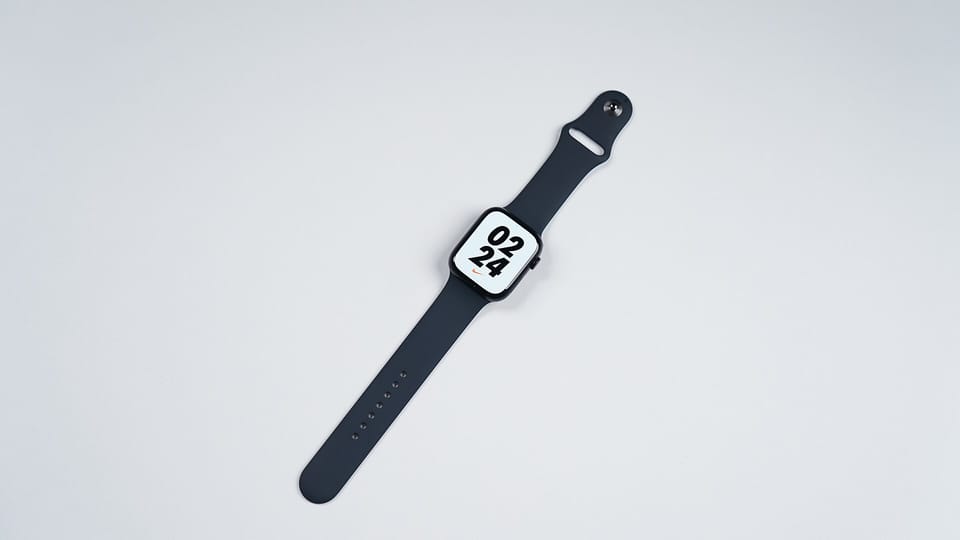
Apple’s smartwatch now tells its owners, every morning, how ready they are to train. Apple’s Series 12 and Ultra 4, announced on 9 September and on sale since 18 September, add a daily readiness score built on much more frequent heart measurements than earlier models.
What changed in the hardware
Apple calls the new sensor array a Health Sensing System: new optical and electrical heart sensors with larger, more power-efficient green LEDs. According to Apple:
- Heart rate is measured about every five seconds, all day.
- Heart rate variability (HRV) (the variation in time between heartbeats, a widely used marker of recovery and stress) can be measured as often as every five minutes, which Apple says is 24 times more often than before.
- Overnight vitals now include a “recovery HRV” figure compared against the wearer’s own baseline.
How the readiness score works
Each day the watch produces a single score from 0 to 10, with one of four recommendations: Recover, Pace Yourself, Ready or Go For It. Apple says the score combines recent activity, vitals and the watch’s sleep score, updates through the day (after a hard workout, for example) and shows which factors are driving it.
Apple says the algorithm was developed by its exercise scientists and physicians using data from the Apple Heart and Movement Study. It has not published the formula, or any study showing that following the recommendations improves training or reduces injury.
Sumbul Desai, Apple’s vice-president of health and fitness, said the features are designed to “translate complex biometric data into clear guidance for users”.
The accuracy question
Apple says a study of more than 1,000 people found its watch had the most accurate heart rate of the leading wearables. That testing was carried out by Apple itself in July and August 2026 and has not been independently published.
An independent study of five earlier consumer devices found average overnight HRV errors of between 6 and 16 per cent against a medical-grade ECG, as we reported this autumn. Apple Watch was not among the devices tested, and that study looked only at overnight readings. Apple itself describes its Vitals features as being for general wellness, not medical use.
How to use a score sensibly
A daily number is most useful as a trend, not a verdict. A single low reading after a bad night or a hard session is expected. A score that stays low for days, alongside how you feel, is more informative. And how you feel still counts: no algorithm knows about the argument at work or the child who woke at 3am unless it shows up in your heart rate.