TechAnalysis
How SRAM beat the UCI over gear limits, and what did change on pro bikes in 2026
A Brussels court has upheld the suspension of cycling’s proposed cap on gear size, saying the governing body had not shown it was needed or fairly made. Other safety rules on rims, handlebars and forks are already in force.

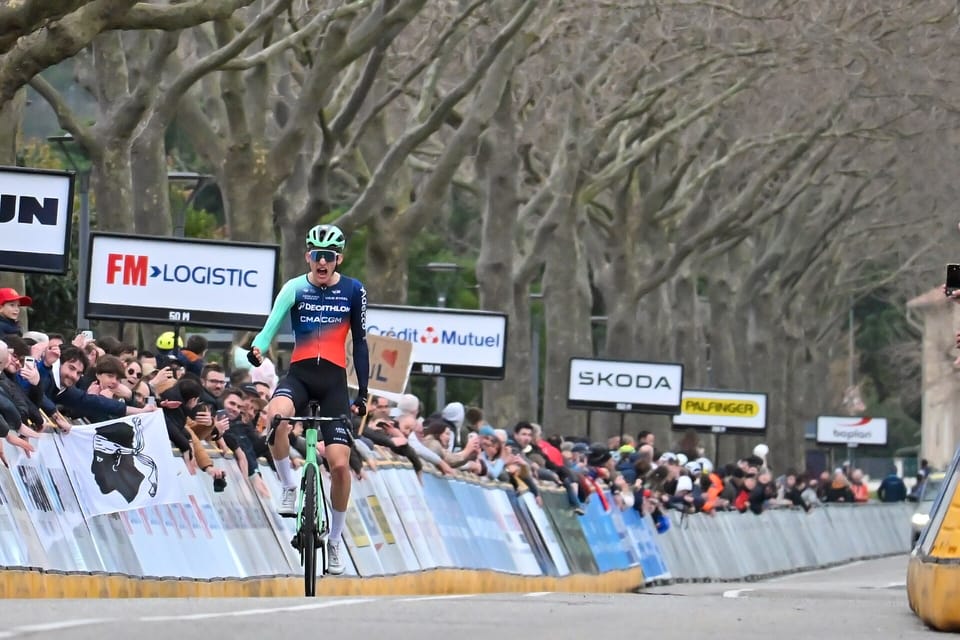
Professional road racing was supposed to test a limit on how big a gear a rider could push. Instead, the proposal is stuck in the Belgian courts, and the case has become a warning to sports governing bodies about how they write technical rules.
What the UCI wanted
In 2025, as part of its SafeR programme to reduce crashes, the Union Cycliste Internationale (UCI) approved a trial capping the largest gear at 54×11, a gear that moves a bike 10.46 metres for every turn of the pedals. The test was planned for a stage race in the second half of 2025, the Tour of Guangxi.
The reasoning was speed. Bigger gears allow higher top speeds, and higher speeds make crashes worse.
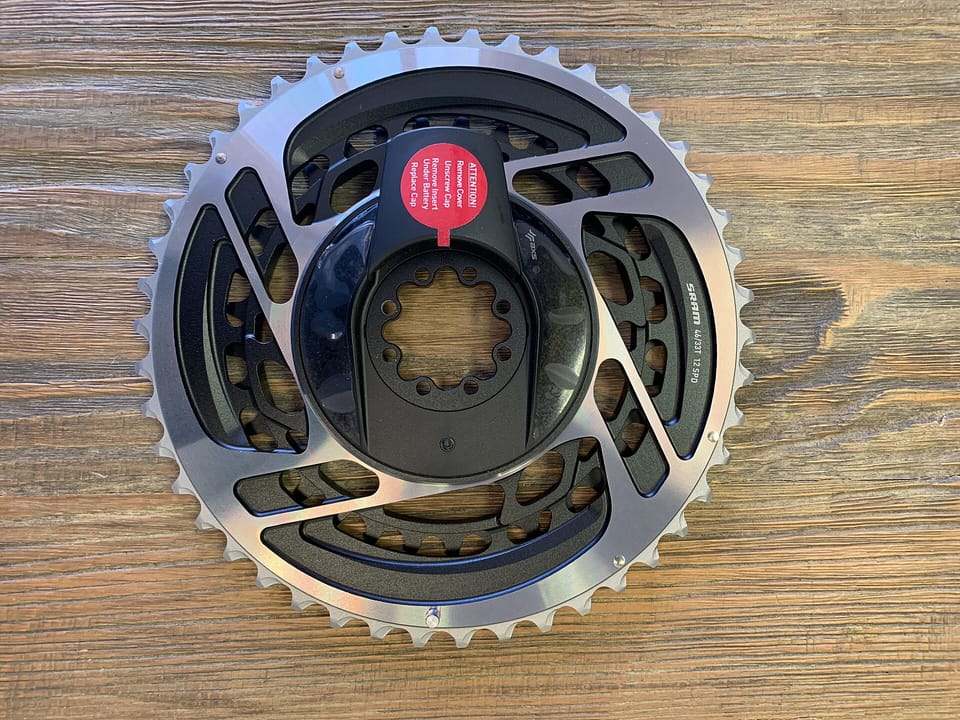
The problem was who it affected. Shimano and Campagnolo groupsets could be set up within the limit. SRAM’s, which use a 10-tooth smallest sprocket, could not. SRAM complained to the Belgian Competition Authority, which suspended the test with interim measures days before it was due to start.
What the court decided
The UCI appealed. In May 2026 the Brussels Court of Appeal rejected all six of its grounds, according to Escape Collective. The court found that the UCI had written the rule without properly consulting the manufacturers it affected, had not documented its reasoning and had, in effect, singled out one company. It also found the case belonged in Belgium, where teams using SRAM equipment were already considering switching suppliers.
Importantly, the ruling concerned the process, not the idea. The court did not decide whether a gear limit would make racing safer. The UCI could try again with a process the courts consider transparent, objective and non-discriminatory. A separate investigation into whether the UCI broke competition law is continuing. For now, no gear limit applies to races on the UCI calendar.
What did change on 1 January 2026
Other SafeR rules approved alongside the gear trial are already in force on the road, according to the UCI:
- Rims can be no deeper than 65 mm.
- Handlebars must be at least 400 mm wide across the outside edges, with at least 320 mm between the inside edges of the brake levers, a response to riders racing on ever-narrower bars for aerodynamic gain.
- Brake levers can sit no more than 50 mm in from the outer edge of the bar.
- Forks and rear stays can be no more than 115 mm and 145 mm wide inside, to stop frames being used as aerodynamic fairings.
- Helmets have new specifications, with a certification process to follow no earlier than 2027.
The UCI says the changes respond to rapid technological advances and higher racing speeds, with the aim of “ever safer and fairer competition conditions”.