ScienceExplainer
Heat, altitude or both? A review of 23 studies weighs the options for environmental training
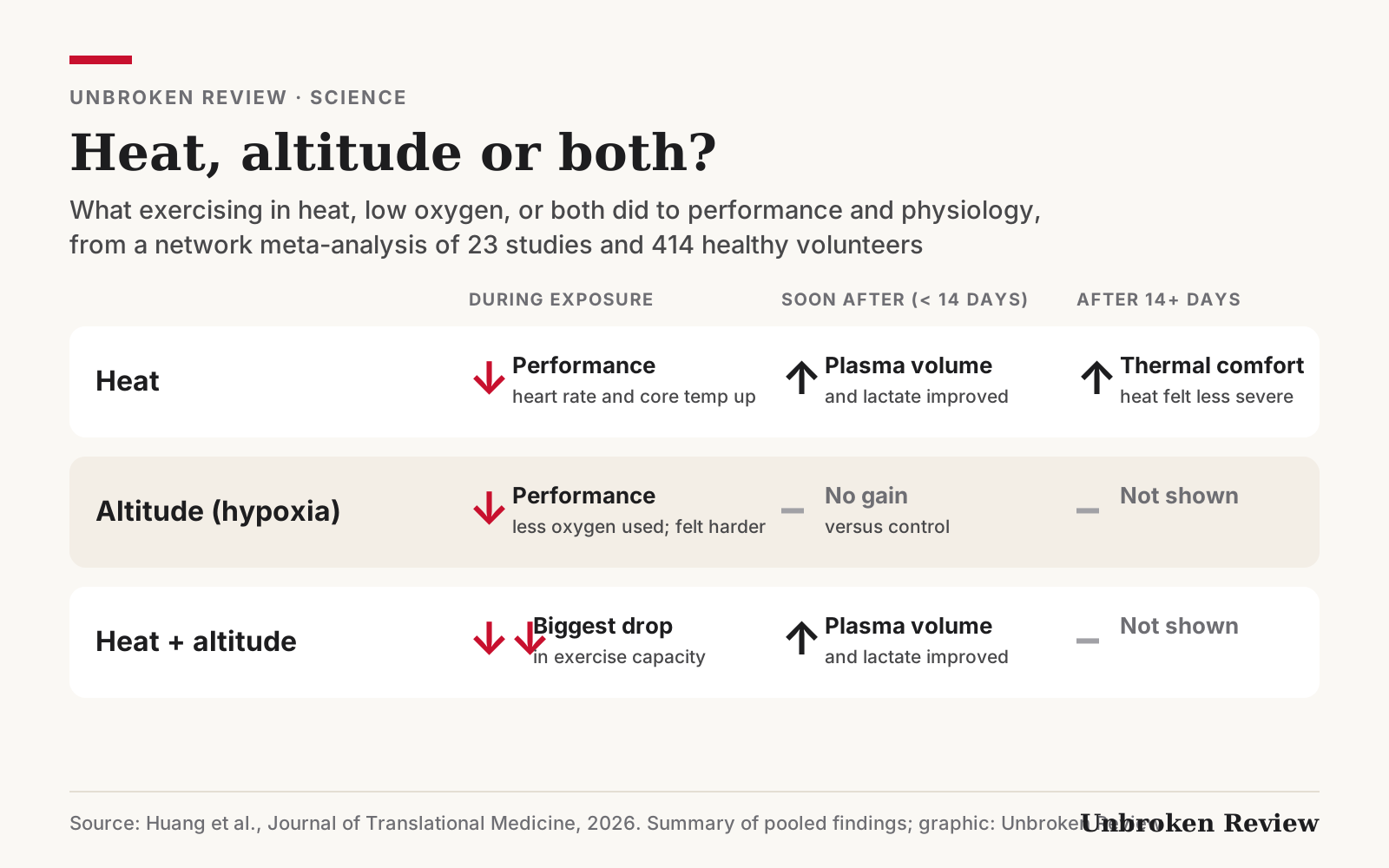
Training in heat, thin air or a combination of the two all reduced performance during exposure, the combination most of all. Afterwards, heat and combined exposure raised plasma volume; altitude alone did not, in the short term.

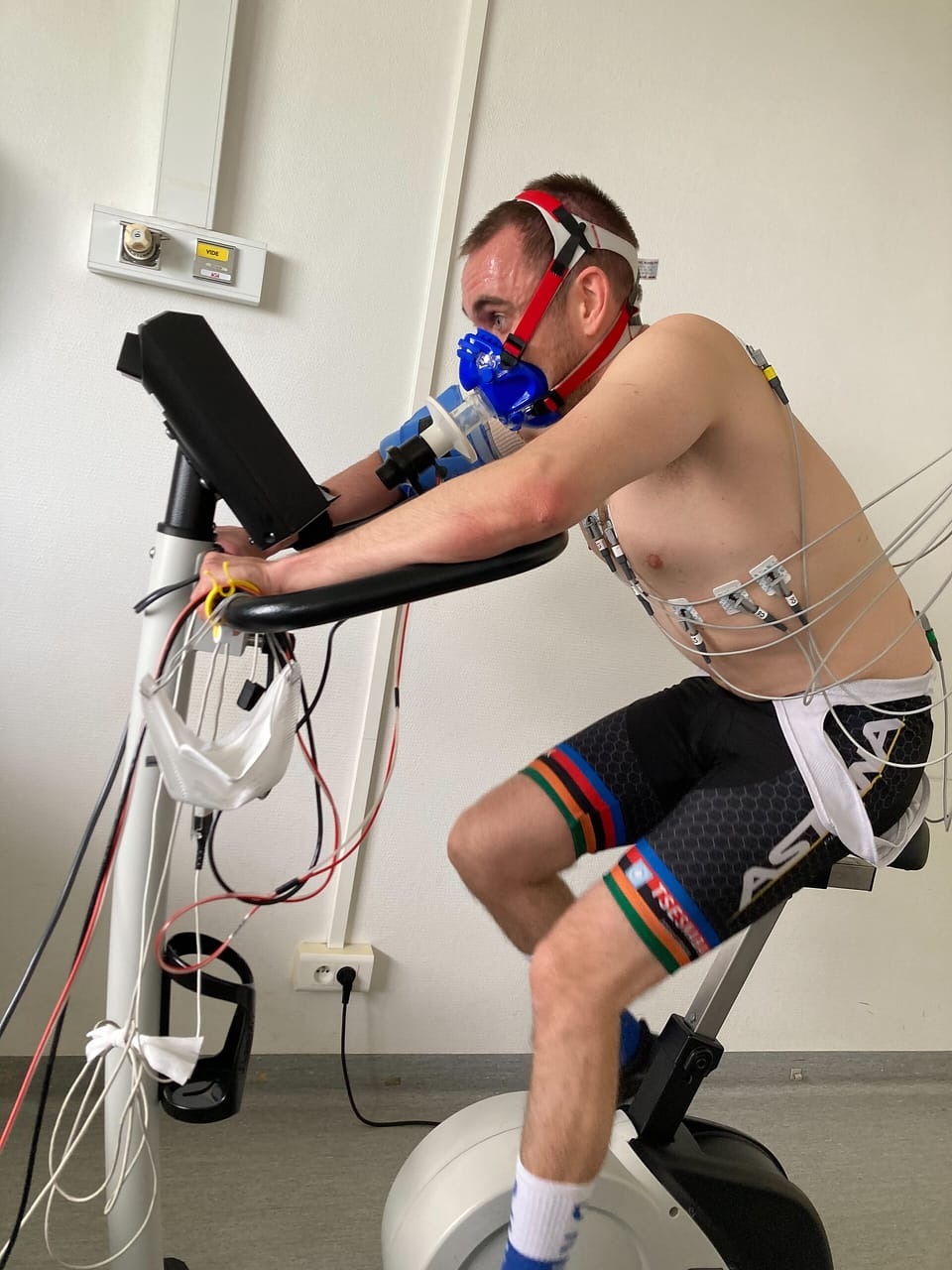
Endurance athletes have long used two environmental tricks to drive adaptation: altitude, where thinner air means less oxygen, and heat. Some now combine them: training at altitude in heat suits, or in chambers that control both temperature and oxygen. A review published in March in the Journal of Translational Medicine compares what each approach does.
What the researchers did
The team, from Hubei Minzu University in China, gathered 23 studies with a total of 414 healthy participants who exercised in heat, in hypoxia (low oxygen, as at altitude), or in both combined. Using a network meta-analysis (a method that compares several conditions at once, even when not every pair was tested head-to-head), they looked at performance, heart rate, temperature, perceived effort, plasma volume and lactate, both during exposure and afterwards.
What they found
During exposure, every condition made exercise harder. Low oxygen reduced performance and oxygen uptake and made effort feel harder. Heat and combined heat and hypoxia reduced performance and raised heart rate, core temperature and skin temperature. The combination produced the largest reduction in exercise capacity.
Shortly after exposure (under 14 days), heat and combined heat-and-hypoxia significantly increased plasma volume, the liquid part of the blood, and improved lactate measures, compared both with control conditions and with hypoxia alone.
After longer acclimation (14 days or more), heat acclimation improved thermal sensation: the heat felt less severe.
The authors describe the post-exposure improvements as “minor”.
What it means
The findings fit what coaches already use heat for. Plasma volume expansion is one of the best-established effects of heat training, and it is one reason heat sessions are sometimes used to complement altitude camps. The review suggests that adding hypoxia to heat does not obviously add to that short-term benefit, while making the sessions themselves harder.
The review cannot settle whether the gains translate into faster racing. The participants were healthy volunteers rather than only trained athletes, and the analysis pooled many different protocols.