Caffeine before work in the heat raised core temperature and heart rate, trial finds
In a double-blind trial, a typical pre-race caffeine dose made people run hotter during two hours of exertion at 35°C. It did not damage their kidneys or gut, but it is a consideration for anyone racing in the heat.

Caffeine is one of the few supplements with strong evidence of improving endurance performance, and many athletes take it before racing as a matter of routine. A trial published this year in Medicine & Science in Sports & Exercise looked at a less-studied question: what does it do to the body in the heat?
What the researchers did
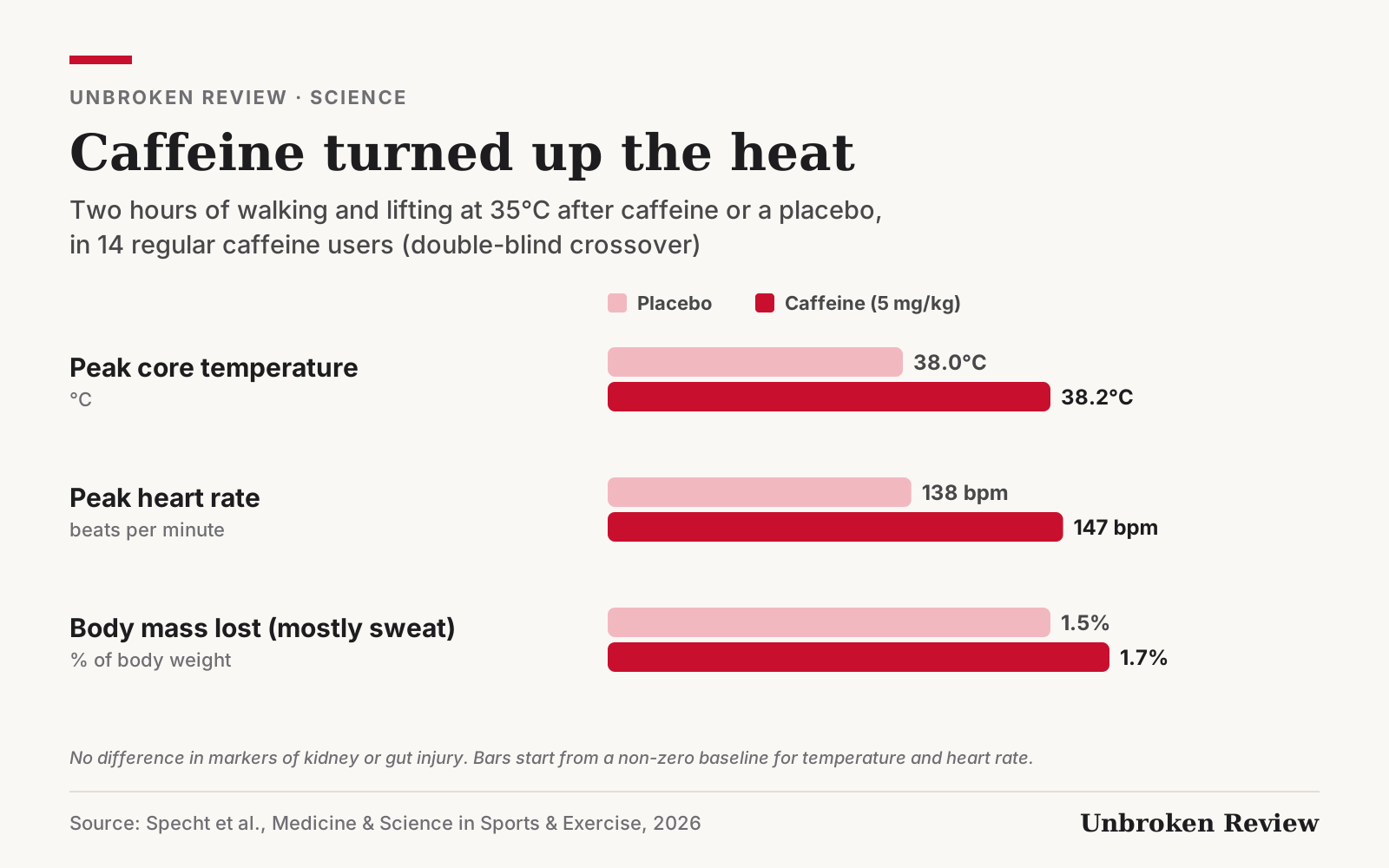
Researchers at the University of New Mexico and the University of Northern Iowa, with colleagues in Arkansas and Indiana, recruited 14 active adults, eight women and six men, who were regular caffeine users. In a double-blind crossover design, each took either caffeine (5 mg per kilogram of body weight, up to 400 mg) or a placebo 30 minutes before two hours of physical work in a heat chamber at 35°C and 50 per cent humidity. The work combined walking at a moderate intensity with lifting boxes, and each participant did both conditions.
The researchers tracked core temperature and heart rate throughout, weighed participants before and after, and measured blood and urine markers of kidney injury, gut injury and endotoxaemia (bacterial toxins leaking from the gut into the blood, a known risk in heat stress).
What they found
With caffeine, compared with placebo:
- Peak core temperature was higher: 38.2°C versus 38.0°C.
- Peak heart rate was higher: 147 versus 138 beats per minute.
- Body mass loss, mostly sweat, was slightly greater: 1.7 per cent versus 1.5 per cent.
There were no differences in the main markers of acute kidney injury or gut injury. One kidney marker, serum cystatin C, rose after the caffeine trial but not the placebo trial, which the authors interpret as a sign of reduced kidney filtration during the work.
The authors concluded that caffeine taken before work in the heat speeds the rise in core temperature, without affecting markers of kidney or gut injury.
What it means for racing in the heat
The study does not show that caffeine is dangerous, and it does not undermine the well-established performance benefits of caffeine for endurance athletes. What it adds is a reminder that caffeine is not neutral in the heat: in this trial it made the body work a little harder to manage temperature, and slightly increased fluid losses.
For athletes heading to hot races such as Kona, Nice or a summer marathon, that is worth folding into the plan. The international consensus on competing in the heat puts acclimatisation, individual hydration plans and cooling strategies first. Within that plan, athletes who use caffeine may want to rehearse their race-day dose in hot training sessions, rather than discovering its effects for the first time in competition.