Strava adds guided strength workouts for subscribers, with live set and rep logging
The coach-designed sessions are rolling out over the coming weeks and sit behind Strava’s subscription, with one sample workout for free users. The evidence that strength work helps endurance athletes is good, if not uniform.

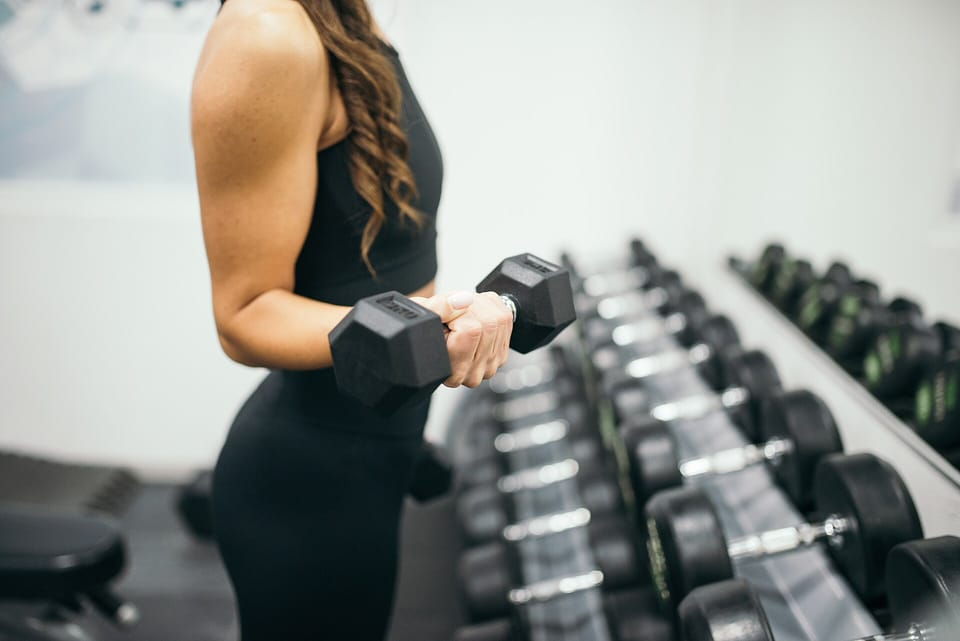
Strava announced coach-designed strength workouts on 15 October, letting athletes follow guided sessions in its app and log each set and rep as they go. The workouts are for paying subscribers and are rolling out over the following few weeks. Free users can try one sample workout.
Each session shows an animated demonstration of every exercise, with form guidance, tips and the muscles it targets, according to Strava’s announcement. When the workout ends, the sets and reps are saved to the activity and to the athlete’s Workout Log. 9to5Mac reported that the workouts were “developed by experienced strength coaches”; Strava has not named them. Strava also introduced new guided running workouts.
Why Strava is doing this
Strava says strength is one of its fastest-growing activity types. According to the5krunner, the company says strength passed 500 million uploads on the platform in 2025.
In May 2026 Strava gave all users a Workout Log and an automatic muscle map built from the exercises recorded in a session, the5krunner reported. Recording sets and reps directly in the app means the muscle map reflects what the athlete actually did.
Strava says more workout series will follow before the end of 2026. It is also working on a way to log a session by uploading a screenshot of sets and reps from a training plan or notes app, a build-your-own workout feature, and more partner integrations so strength data can sync automatically from other platforms.
What is not yet clear
Strava’s announcement leaves several questions open. It does not say which devices can record the guided workouts, such as Apple Watch, Wear OS or Garmin watches. As the5krunner noted, Strava’s release “doesn’t say whether strength sessions count toward Relative Effort or the Fitness score”, Strava’s training-load measures. The site also pointed out that the muscle map shows where work was done but, unlike WHOOP’s musculoskeletal load feature, does not feed into an estimate of strain or recovery.
The feature also adds to what the subscription is meant to pay for. In the United States, Strava’s pricing page lists the subscription at $11.99 a month or $79.99 a year plus tax, and a combined Strava and Runna plan at $149.99 a year. Prices vary by country.
What the evidence says about strength work
For runners, the case for strength training is reasonably well supported, though not uniform. A 2018 systematic review in Sports Medicine by Richard Blagrove and colleagues looked at 24 studies in which middle- and long-distance runners with at least six months’ experience added heavy, explosive or plyometric strength work for four weeks or more, compared with running alone.
Running economy, how much oxygen a runner uses at a given pace, was measured in 20 of the studies and generally improved by 2 to 8% compared with the control groups, “although this was not always the case”. Time-trial performance over 1.5 to 10 km also tended to improve. Maximal oxygen uptake and body composition were typically unchanged. The included studies scored 4 to 6 on the PEDro scale of trial quality, and the authors pointed to methodological differences that may explain the inconsistent results.
That evidence is about structured strength programmes, not any particular app. Strava has not published how its series are designed or progressed, and Unbroken Review has not tested them.