Google replaces the Fitbit Charge with the Edge, a GPS tracker with a battery you can change
The Fitbit Edge costs £159.99 in the UK and $179.99 in the US and goes on sale on 27 October. Its accuracy claims are Google’s own, and no independent tests have been published yet.

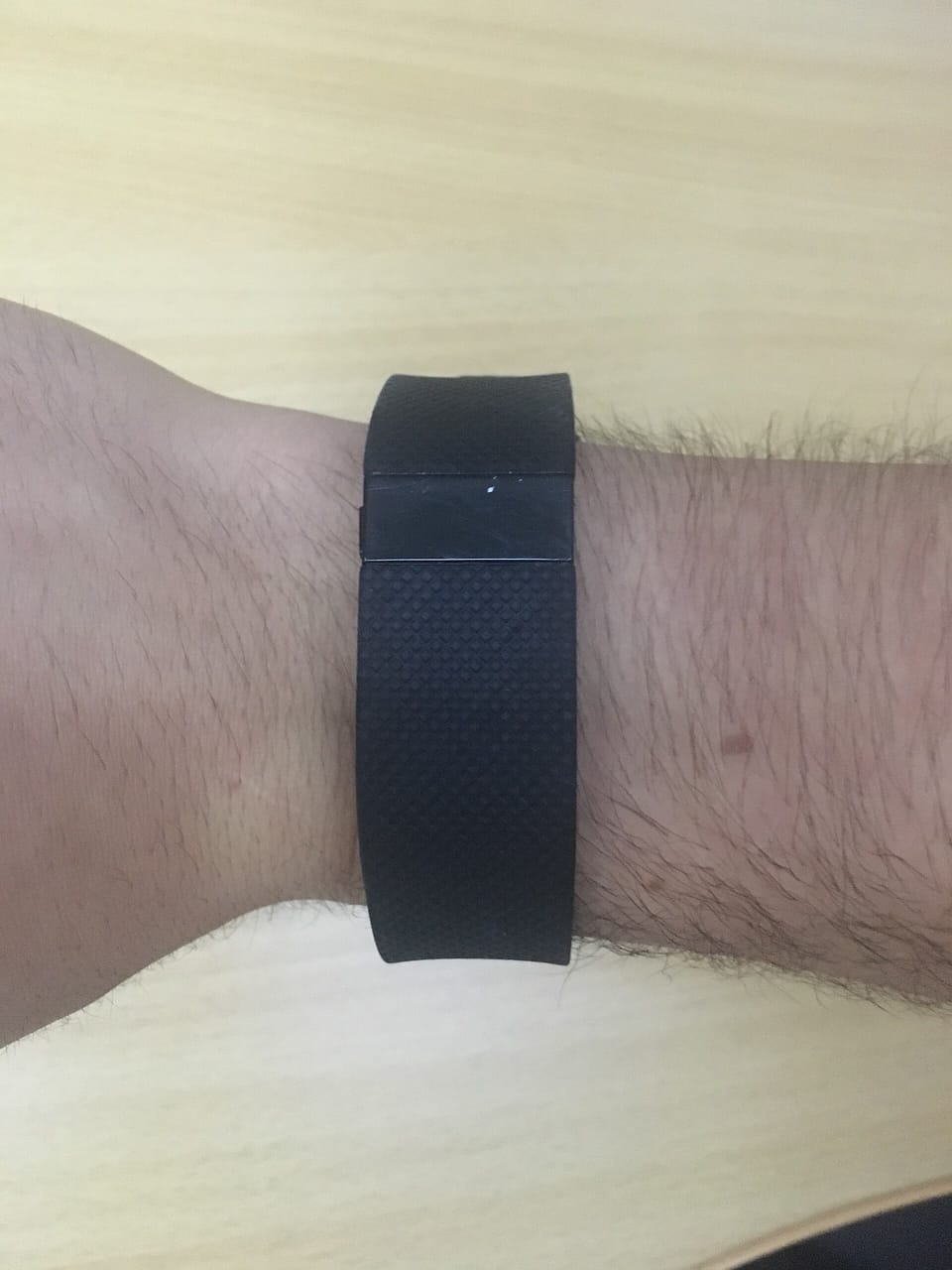
Google has announced the Fitbit Edge, a slim fitness tracker with a screen, built-in GPS and, for the first time on a Fitbit, a battery the owner can replace. It was unveiled on 12 October and is available to pre-order now. Google says it will be in shops on 27 October.
The Edge costs $179.99 in the US and £159.99 on Google’s UK store. A Stephen Curry Special Edition with its own band costs $219.99.
It succeeds the Charge 6, launched in 2023. DC Rainmaker, the independent reviewer, reported that Google is not making a Charge 7, so the Edge now sits between the screenless Fitbit Air, launched in May, and the Pixel Watch.
What is new
The biggest change for runners and cyclists is the GPS. Google says the Edge offers “up to 40% improved tracking accuracy over previous generations”, even without a phone. According to DC Rainmaker, the Charge 6’s GPS performed best only when its band was loosened, which in turn upset its heart-rate readings. DC Rainmaker reported that Google attributes the improvement to a new chipset and the design of the aluminium case.
The Edge also gains an altimeter for elevation, a larger always-on AMOLED screen (1.34 inches, which 9to5Google said was 46% more display than the Charge 6) and a physical side button. It weighs 17.7 g without its band and is rated water-resistant to 5 ATM.
Battery life is rated at up to seven days. 9to5Google reported that the figure applies with the always-on display switched off, and that with it on the battery lasts around two days. Google says a five-minute charge gives about a day of use.
Google calls it “our first repairable fitness tracker”. The battery is user-replaceable, which could extend the life of a device that would otherwise be thrown away when its cell wore out.
Health features, and what needs a subscription
The Edge measures heart rate around the clock, heart-rate variability, skin temperature, blood oxygen and sleep, and offers VO2max estimates, a Cardio Load measure and a daily Readiness score. It has an ECG app with AFib detection (Google says this is limited to selected countries and users aged 22 and over) and monthly blood pressure and insulin resistance trends. Google describes those trends as general wellness features, not diagnosis.
Google’s Gemini-based coach requires Google Health Premium. Buyers get three months free. On the UK store the subscription then costs £7.99 a month, renewing automatically. Google’s US store did not show a US price on the product page we checked.
Two features have gone. There is no NFC chip, so no contactless payments with Google Wallet, and the EDA stress-scan sensor of the Charge 6 has been dropped, DC Rainmaker reported.
Google’s own figures for workout modes also vary. Its announcement says the Edge has “more than 50 exercise modes” and recognises up to 100 workouts automatically, while its UK specification sheet lists “40+ exercise modes”.
What we do not know yet
Every accuracy claim so far comes from Google. DC Rainmaker said hands-on testing was only beginning when the device was announced, and no independent GPS or heart-rate test has been published.
The Edge can broadcast heart rate over Bluetooth, but DC Rainmaker did not report support for external sensors or a multisport mode, which limits its appeal for triathletes.
For athletes who want a light tracker with GPS and a screen rather than a full sports watch, the Edge is a more capable device than the Charge 6. Whether its GPS lives up to the 40% claim will become clear once independent reviews arrive after 27 October.