Masimo and the US government urge the Supreme Court not to hear Apple’s appeal over the Apple Watch import ban
Apple wants the justices to narrow the test that let Masimo block imports of its original blood oxygen design. Both sides have now filed, and the petition could reach the court’s private conference within weeks.

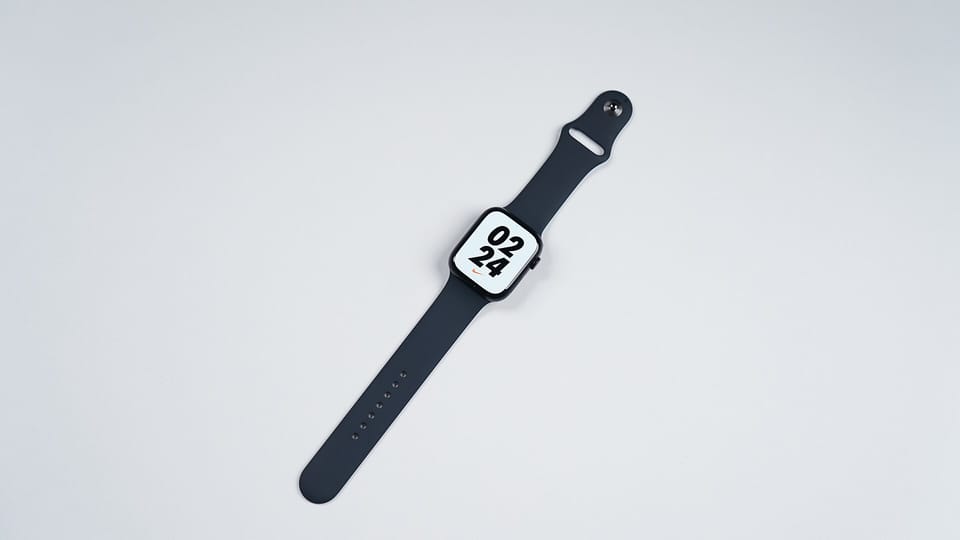
Masimo and the US government have asked the Supreme Court to turn down Apple’s appeal against the import ban on Apple Watches that use Masimo’s patented blood oxygen technology, in briefs filed on 12 November.
The US Solicitor General, D. John Sauer, filed on behalf of the International Trade Commission (ITC), the agency that issued the ban. Masimo and its affiliate Cercacor filed separately. Both say the petition should be denied.
On 18 November Apple waived the usual 14-day waiting period before the petition is sent to the justices, according to the court’s docket. That means the case can be distributed for one of the court’s private conferences sooner. No conference date had been listed when we checked the docket.
What Apple is asking
The ITC can block imports of products that infringe a US patent, but only if the patent holder shows a “domestic industry” in the United States relating to the patented articles. One way to meet that test is to show “significant employment of labor or capital”.
The ITC found that Masimo met it largely through the US engineers who developed its own smartwatch technology. Masimo’s brief says that work led to the Masimo W1 watch, which had a limited release in May 2022 and received FDA clearance in November 2023. The Federal Circuit upheld the ITC on 19 March 2026 and refused a rehearing on 21 July.
In its petition, filed on 3 September, Apple argues that research and development spending belongs under a separate part of the law, which covers “substantial investment” in “engineering, research and development, or licensing”, and should not count as “employment of labor or capital”. It also argues that the appeals court upheld the ITC on reasoning the agency itself never gave.
Apple says the ruling forced it “to spend significant time and money to redesign Apple Watch”, “all based on a complaint from a medical technology company that has never sold a watch in meaningful quantities”.
What the government and Masimo say
The government’s brief says hiring engineers to research and develop an article “readily qualifies” as employment of labor with respect to that article. It argues that Apple’s complaint about the appeals court’s reasoning is “fact-bound” and does not warrant review, “much less summary reversal”.
Masimo’s brief goes further. It says Apple first raised its reading of the statute only in its rehearing request to the Federal Circuit, and so has forfeited the argument. It notes that before the Supreme Court, Apple does not challenge the findings that its watches infringe Masimo’s patents or that the patents are valid.
Masimo also argues that the stakes are lower than Apple suggests. The two patents expire in August 2028, so any Supreme Court decision “would come roughly one year before Apple is no longer bound” by the ban. And it points out that Apple already imports a redesigned watch with blood oxygen readings, which Masimo says also infringes and is challenging in a separate, paused court case.
Three groups filed briefs supporting Apple on 13 October: Unified Patents, the Computer & Communications Industry Association and others, and a group including the Association for Competitive Technology, NetChoice and TechNet.
What it means for Apple Watch owners
For now, nothing changes. Since August 2025, US owners of the Apple Watch Series 9, Series 10 and Ultra 2 who did not already have the feature have had a version of Blood Oxygen in which “sensor data from the Blood Oxygen app on Apple Watch will be measured and calculated on the paired iPhone”, Apple said at the time. Apple said that change “was enabled by a recent U.S. Customs ruling”.
If the court declines the case, the ban on the original design stands until the patents expire in August 2028. If it takes the case, a ruling would not be expected before 2027, and a narrower test could make it harder for patent holders without large US manufacturing operations to block imports of wearables through the ITC.
The case is separate from the $634m jury verdict in a California court, which a judge raised to about $818.5m with interest in October. Masimo is now a wholly owned subsidiary of the US healthcare group Danaher, as its brief discloses.