
Tom Dean’s relay team sets a British Channel record: three minutes short of the world mark
Six British swimmers crossed from Dover to Cap Gris Nez in 6 hours 55 minutes, beating the national relay record by 22 minutes. The world record, set by an American team, has stood for 36 years.

A British relay team including Olympic champion Tom Dean has crossed the English Channel in 6 hours 55 minutes, setting a new British record and finishing three minutes outside a world record that has stood for 36 years.
The six swimmers, racing as “Spirit of Great Britain”, started at Shakespeare Beach near Dover and finished at Cap Gris Nez in France. Their time beat the previous British relay record by 22 minutes, Swimming World reported. The world record of 6 hours 52 minutes is held by a team from the United States.
How the crossing unfolded
The team was Dean, Hector Pardoe, George Taplin, Toby Robinson, Dan Jervis and Josh Gammon. Pardoe, an open-water specialist, swam the first leg and returned for the last, taking the team to the French shore. In between, Taplin held a pace of about 1 minute 7 seconds per 100 metres, Robinson took the team past halfway, and Jervis swam his leg after losing his cap.
Conditions were not straightforward. The water was 18°C, there were jellyfish, and the team faced a strong incoming tide, according to Swimming World.
“British record secured, world record coming soon…” Dean wrote afterwards. “Tantalising to be three minutes off the record.”
Why the Channel is still hard
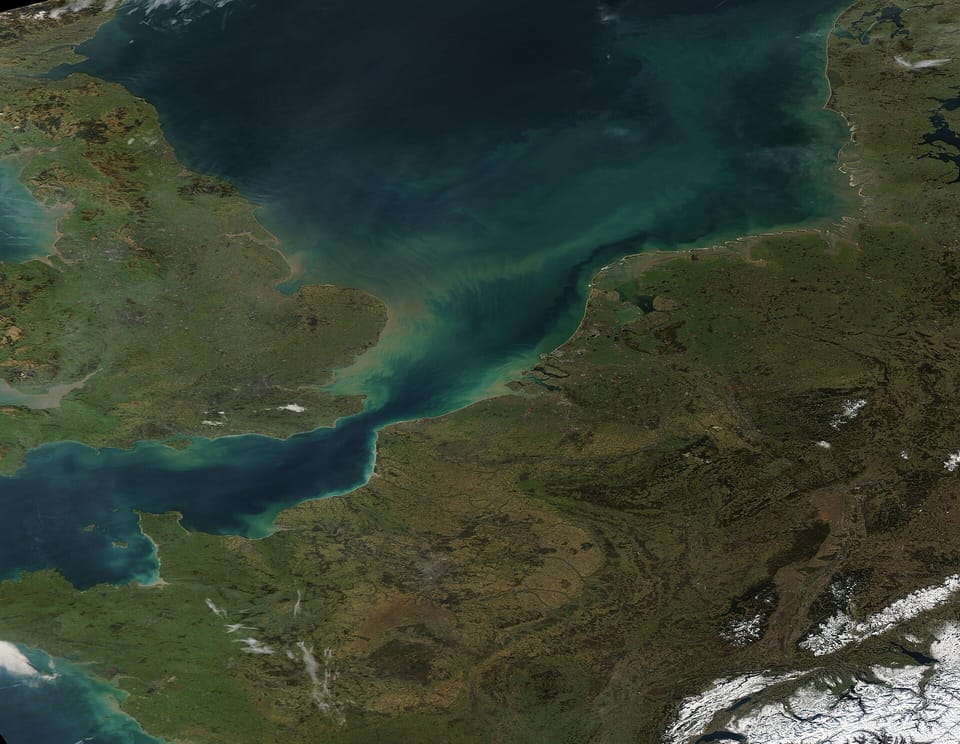
The Strait of Dover is only about 33 km wide at its narrowest, but tides, shipping lanes, cold water and weather make it one of the hardest open-water swims in the world. Under Channel swimming rules, swimmers wear a standard costume, cap and goggles, no wetsuits, and relay swimmers take turns in a fixed order.
The attempt raised more than £8,000 for the Royal Life Saving Society UK’s water safety education programmes for children.