ScienceExplainer
Weight-loss drugs remain permitted in sport for 2027, and the trials suggest they do not build fitness on their own
Wada has kept GLP-1 drugs such as Ozempic and Mounjaro off its banned list while it studies them in trained athletes. In a year-long trial, only the people who also exercised got fitter.

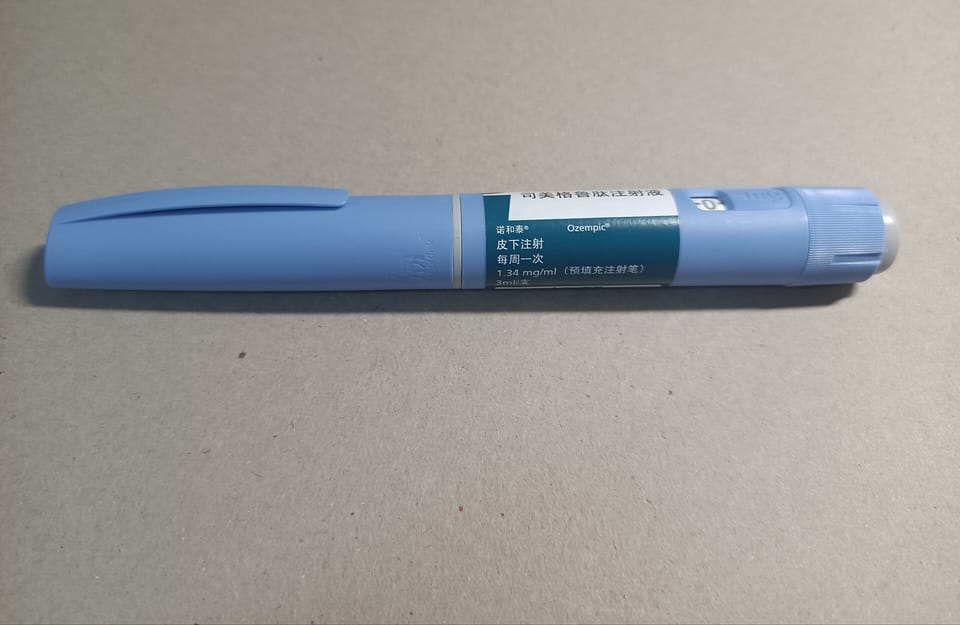
Athletes will still be allowed to use GLP-1 weight-loss drugs such as Ozempic and Mounjaro in 2027. The World Anti-Doping Agency (Wada) confirmed after its executive committee met on 10 September that the drugs would not be added to its Prohibited List, although they stay on its monitoring list, BBC Sport reported.
Semaglutide, sold as Ozempic and Wegovy, was first placed on the monitoring list in 2024, and tirzepatide, sold as Mounjaro, was added in 2026. To be banned, a substance must meet two of three criteria: it can enhance performance, it poses a health risk, or it violates the spirit of sport.
Wada has started one study and is preparing another to test the drugs in conditions designed to mimic high-level exercise. “What we want to see is whether some of the pharmacological impact on human physiology that has been observed in obese patients would also occur in non-obese, highly trained people,” Olivier Rabin, Wada’s senior director for science and medicine, told BBC Sport. He named long-distance runners and cyclists among the athletes for whom weight control is “very high on their agenda”.
How common use is in sport is unknown. A Loughborough University survey of more than 100 sports medicine physicians, cited by the BBC, found 12% were aware of athletes using the drugs without a medical need.
For the much larger number of recreational runners, gym-goers and fitness racers who are prescribed these drugs, a different question matters: do they help you get fitter?
What the best trial shows
The most direct evidence comes from a Danish trial of 195 adults with obesity but without diabetes. After an eight-week low-calorie diet, on which they lost an average of 13.1 kg, they were randomly assigned for a year to one of four groups: an exercise programme with a placebo, the GLP-1 drug liraglutide with usual activity, exercise plus liraglutide, or placebo alone.
The main results, published in the New England Journal of Medicine in 2021, showed that all three active strategies kept off more weight than placebo, and that the combination reduced body-fat percentage by about twice as much as either exercise or the drug alone.
A secondary analysis of 193 participants, published in Sports Medicine in 2026, looked at fitness in detail. The people assigned to exercise trained a median of 2.65 times and 116 minutes a week, at about 79% of maximum heart rate, through a mix of group interval cycling, circuit training and individual sessions.
Liraglutide alone did not improve physical fitness. Exercise did, with or without the drug. Compared with liraglutide alone, the combination improved peak oxygen uptake by 3.0 ml per kg of fat-free mass per minute and cut 1.2 seconds (8.6%) from a stair-climbing test.
Strength told a similar story. Relative to body weight, strength fell 7.8% in the placebo group but rose 3.3% in the combination group, because people kept their absolute strength while losing weight.
The muscle question
Weight lost on these drugs is not all fat. A 2026 meta-analysis of seven randomised trials with 821 patients, in the International Journal of Obesity, found an average loss of 1.74 kg of lean mass, and 5.44 kg with semaglutide. Because fat fell faster, lean mass rose as a share of body weight. The authors concluded that drug treatment should be accompanied by nutrition and exercise to protect muscle.
A second 2026 review, in Diabetes, Obesity and Metabolism, was more cautious. It rated the certainty of the evidence as low to very low and said it was insufficient to rule out clinically relevant muscle loss in susceptible people.
Fitness has rarely been measured at all. A 2023 review of 14 trials of weight-loss drugs found only one that objectively measured cardiorespiratory fitness.
The limits
All of this comes from people with obesity, not trained athletes, and the detailed fitness data come from liraglutide, an older, once-daily drug related to semaglutide and tirzepatide. The Danish trial was funded in part by the Novo Nordisk Foundation.
A 2026 narrative review on the drugs in sport concluded that human trials show no consistent improvement in physical performance. Rabin’s advice to athletes was to be “very careful using those drugs and never without medical advice and supervision”.