
Welsh marathon runner Josh Griffiths banned for three months after cocaine metabolite found in Belfast sample
The two-time world championships marathoner denies ever taking cocaine. The Athletics Integrity Unit accepted that any use was out of competition and unrelated to sport, and his results since 3 May have been disqualified.

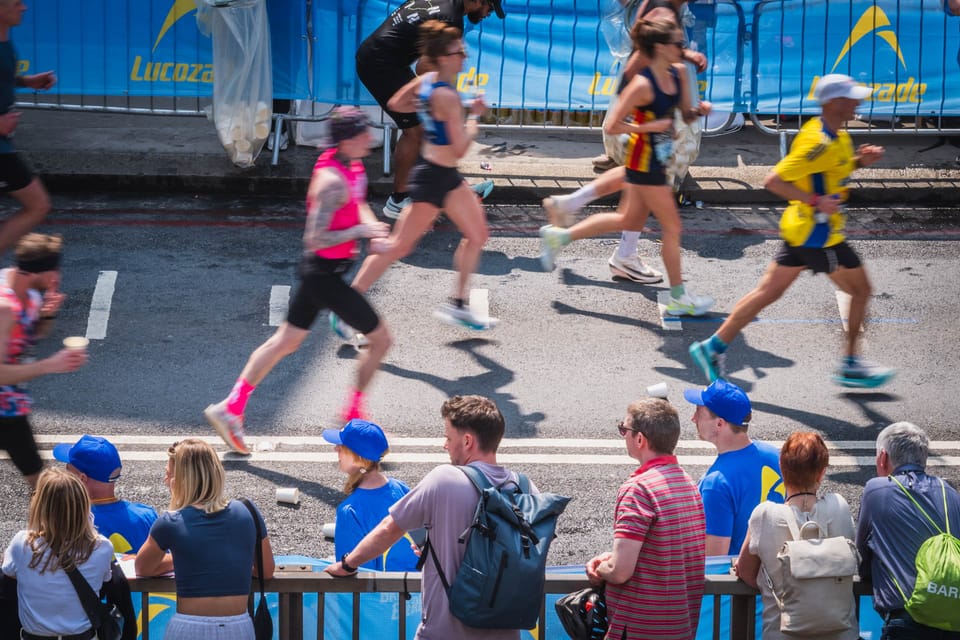
The Welsh marathon runner Josh Griffiths has been banned for three months after a sample he gave at the Belfast City Marathon on 3 May contained benzoylecgonine, a metabolite of cocaine.
The decision by the Athletics Integrity Unit (AIU), which runs anti-doping in athletics, was reported on 11 November. The ban ran from 19 June to 18 September 2026, so Griffiths, 33, has already served it, Athletics Weekly reported. All of his results from 3 May onwards are disqualified and any prize money is forfeited.
Griffiths finished fourth in Belfast, according to the organisers’ published prize list cited by Athletics Weekly.
Why the ban was three months, not four years
Cocaine is prohibited only in competition, Athletics Weekly explained, and the rules allow a three-month ban when an athlete can show that any use happened out of competition and had nothing to do with sporting performance.
According to Athletics Weekly and the BBC, the AIU accepted, on the basis of scientific evidence Griffiths submitted, that any ingestion happened out of competition and was unrelated to sport. The AIU also said he had not established how the substance got into his system.
Griffiths was notified of the positive test on 19 June and provisionally suspended from that date. His B sample confirmed the finding in July, Athletics Weekly reported. He accepted the anti-doping rule violation and agreed the sanction without a hearing.
His account
Griffiths denies ever taking cocaine or any other social drug, the BBC reported. Athletics Weekly said he attributed the finding to “inadvertent contamination from an unspecified environmental source”.
The BBC reported that benzoylecgonine was found in both urine samples he gave after the race. In his explanation to the AIU, he described the initial finding as “absolutely impossible” and said “there must have been a mistake”, according to the BBC.
The decision can still be appealed. Athletics Weekly noted that the World Anti-Doping Agency and UK Anti-Doping have the right to take the case to the Court of Arbitration for Sport.
From club runner to Great Britain vest
Griffiths became one of British distance running’s more unusual stories in 2017. Running for Swansea Harriers, he started the London Marathon just behind the elite field, worked his way through it in the second half and finished in 2:14:49 as the first Briton, Athletics Weekly recalled. At the time he had no coach and was studying for a master’s degree in sports coaching at Cardiff Metropolitan University.
That run earned him a place in the British team for the 2017 World Championships in London, where he finished 39th in the marathon. He was 15th for Wales at the 2018 Commonwealth Games on the Gold Coast and 49th at the 2022 World Championships in Oregon. His personal best is 2:11:28, set in Seville in 2022.
What it means
The case is the latest in a run of AIU decisions involving marathon runners in 2026, though it is different in kind from the blood-doping cases that have dominated the headlines. Griffiths was not found to have taken a performance-enhancing drug, and the sanction reflects the AIU’s acceptance that any use was unrelated to sport.
For runners, the case is a reminder that strict liability applies: an athlete is responsible for any prohibited substance found in their sample, whether or not they can explain how it got there.