MindExplainer
When the sleep score keeps you awake: the rise of “orthosomnia”
Nearly half of American adults have now used a sleep tracker, and three in four say they have lost sleep worrying about sleep. As watches add daily readiness scores, sleep doctors are urging people to treat the numbers as a guide, not a grade.

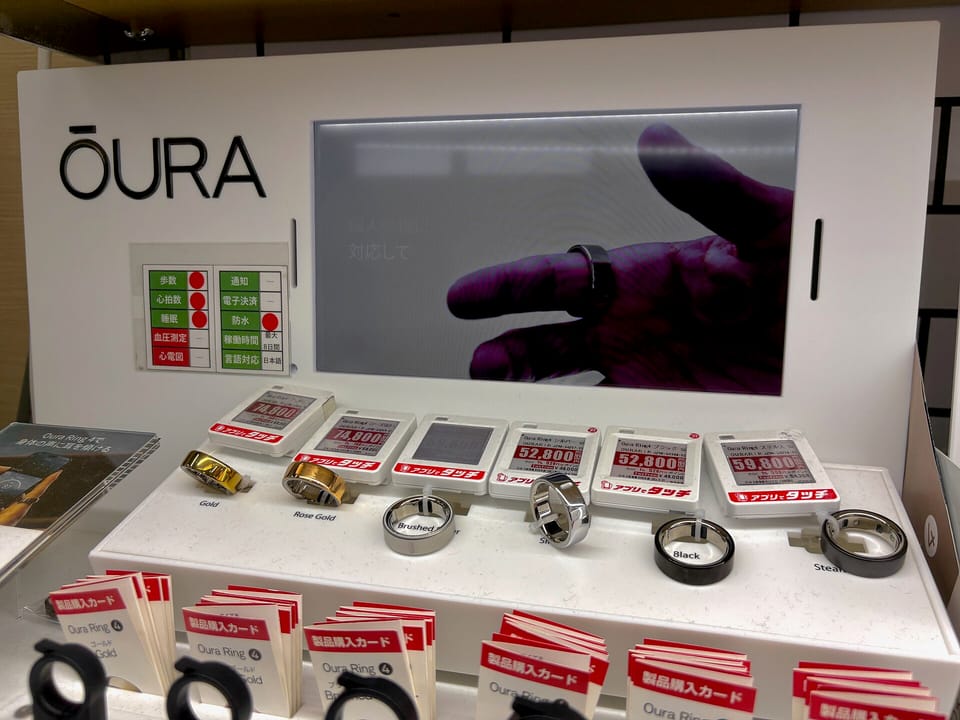
Sleep tracking has gone mainstream. In a survey of 2,007 American adults for the American Academy of Sleep Medicine (AASM), 48 per cent said they had used a sleep-tracking device such as a smartwatch, ring or app, up from 35 per cent in 2023. More than half, 55 per cent, said they were changing their behaviour based on what the tracker told them.
The same survey found something less comfortable: 76 per cent of adults said they had lost sleep because of worries about sleep problems. Sleep specialists have a name for the version of that worry driven by data: orthosomnia.
What orthosomnia is
The term was coined in 2017 by sleep researchers in the Journal of Clinical Sleep Medicine, who described patients seeking treatment for problems they had diagnosed from their own wearable data, and whose efforts to achieve a “perfect” sleep score were making their sleep worse. It is not a formal diagnosis, but it describes a familiar loop: a poor score creates anxiety, the anxiety makes it harder to fall asleep, and the next score is worse.
“Sleep trackers can be valuable tools for raising awareness about sleep health,” said Dr Shalini Paruthi, an AASM spokesperson.
Why it matters for athletes
Many endurance athletes now train with sleep and recovery data, and those data are becoming more prominent. Apple’s newest watches turn sleep, heart rate variability and recent training into a single daily readiness score from 0 to 10. Similar scores are offered by rings, straps and other watches.
These scores can be useful. But they are estimates: consumer devices infer sleep stages from movement and heart rate rather than measuring brain activity, and different devices can disagree about the same night. Sleep is also unusually vulnerable to worry: trying hard to sleep is one of the surest ways not to.
Using sleep data without letting it run you
- Look at weeks, not nights. One poor score is noise. A trend over a fortnight is information.
- Start with how you feel. If you feel rested and the score says otherwise, believe yourself first.
- Keep the phone out of the bedroom routine. Checking a score in the middle of the night is a recipe for staying awake.
- Take a break if it is making things worse. If tracking makes you anxious, stopping for a few weeks is a legitimate choice.
- See a professional for real problems. Persistent insomnia, loud snoring or daytime sleepiness need a clinician, not an app.