MindExplainer
Mindfulness training makes “flow” more likely, a review of trials finds
Across eight randomised trials, people who practised mindfulness for a median of seven weeks reported more of the deep, effortless absorption athletes call being “in the zone”. The studies were small, and half had a high risk of bias.

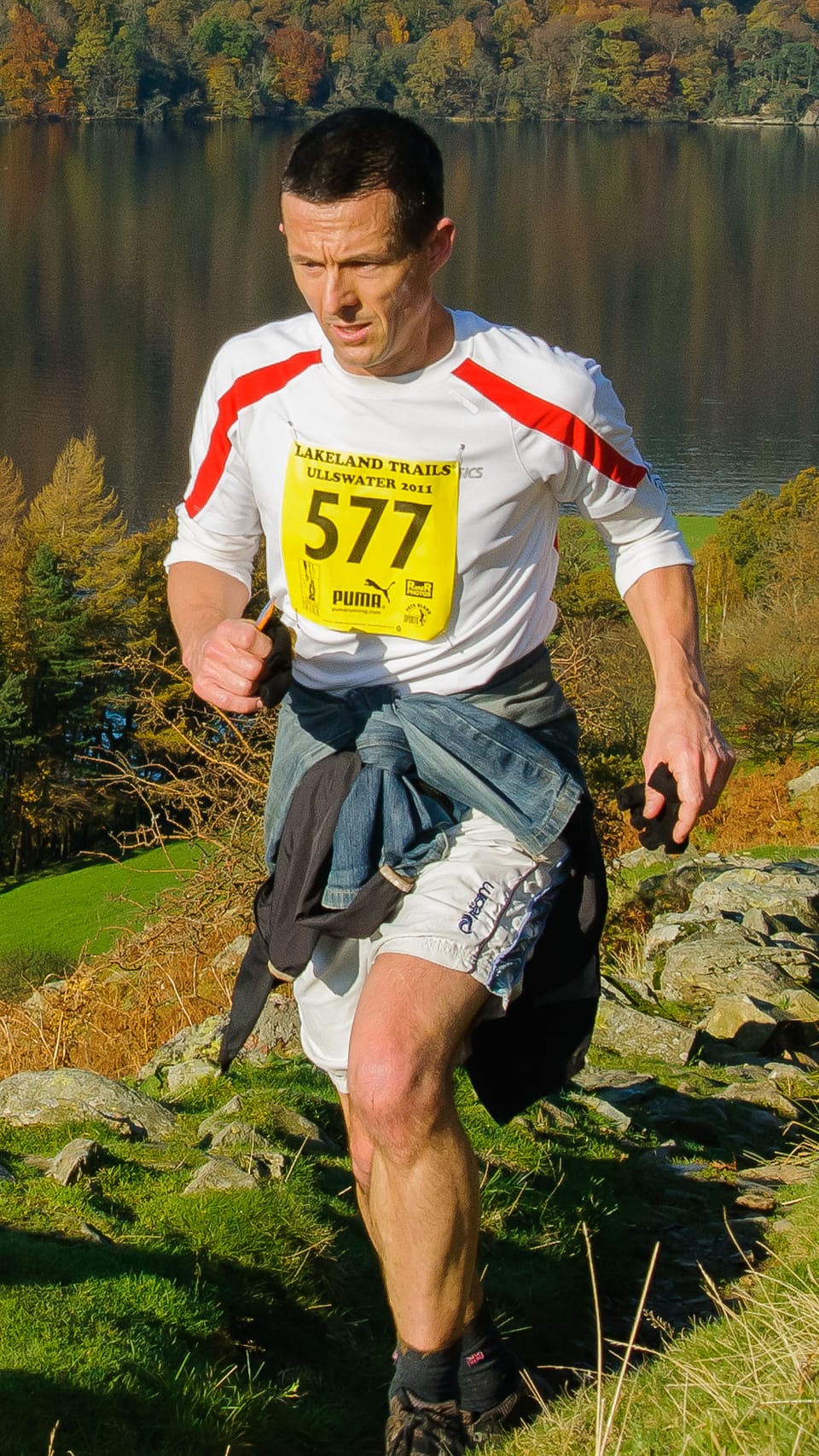
Athletes describe it in similar ways: the moment when effort stops feeling like effort, time distorts, and attention narrows to the next step or the next stroke. Psychologists call it flow, a state of deep absorption in an activity, linked to better performance and wellbeing.
Flow is notoriously hard to summon on demand. A systematic review published this year in The Journal of Psychology asks whether mindfulness training, which teaches people to attend to the present moment without judging it, can make it more likely.
What the researchers did
Researchers at the Université Libre de Bruxelles searched for randomised controlled trials in which healthy people followed a mindfulness-based programme or a control condition, and in which flow was measured with a validated questionnaire. Eight trials, with 293 participants in total, met their criteria. Just over half the participants were women, and the median programme lasted seven weeks.
What they found
Mindfulness programmes had a clear positive effect on flow, both as a momentary state and as a general tendency. The pooled effect size was 0.78, conventionally a moderate-to-large effect, and the results were consistent across studies, with little sign that unpublished negative findings had been missed.
The authors suggest how it might work: mindfulness training improves attention and present-moment awareness and reduces self-critical thinking, the inner commentary that pulls an athlete out of the moment.
The limits
Half of the eight trials were judged to have a high risk of bias, and the samples were small. The participants were healthy volunteers rather than specifically athletes, and the review could not say how much practice is needed, or how long the effect lasts. The authors call for larger trials with longer follow-up.
How to try it
Mindfulness does not have to mean long meditation sessions. A simple way to begin is a few minutes a day of focused attention (on the breath, the body or sounds), practising the skill of noticing when the mind wanders and bringing it back without criticism.
For endurance athletes there is a natural place to practise: easy sessions. Running, riding or swimming without headphones, paying attention to breathing, footfall or stroke rhythm, is a form of the same skill. When the mind drifts to splits or worries, notice it and return to the movement.