
MindExplainer
Exercise reduces depression and anxiety across every group studied, review of 79,551 people finds
A synthesis of more than a thousand randomised trials found moderate benefits for depression and anxiety symptoms, with group and supervised exercise doing most for depression, and shorter, gentler sessions doing most for anxiety.

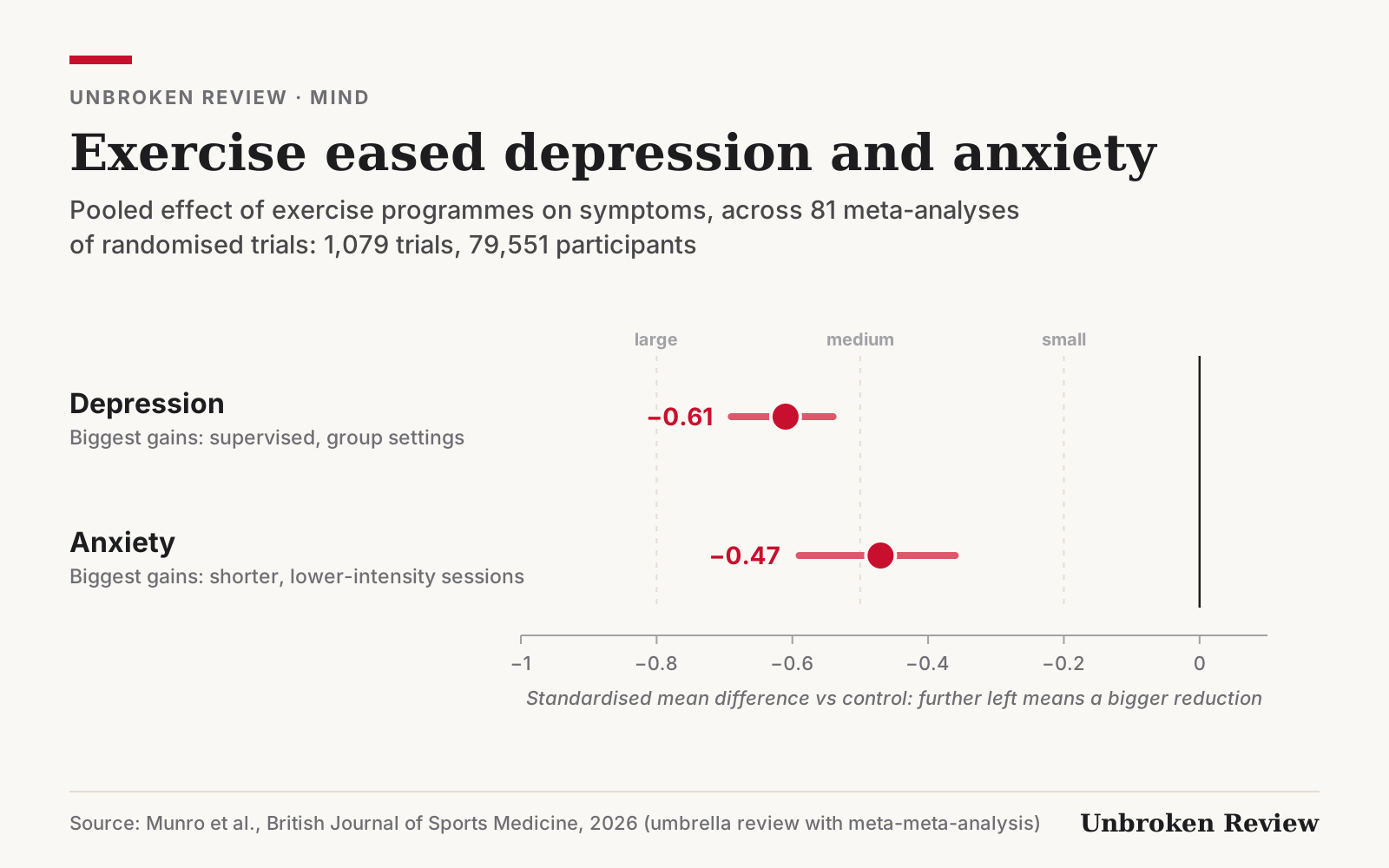
The evidence that exercise helps mental health has been building for decades. A review published this year in the British Journal of Sports Medicine is an attempt to measure it as completely as possible, and its conclusion is that exercise reduces symptoms of depression and anxiety in every population group studied.
The review, led by Neil Munro of James Cook University in Australia, is an “umbrella review”: rather than pooling individual trials, it pools the meta-analyses that have already pooled them. The team included 63 published reviews containing 81 meta-analyses, built on 1,079 randomised trials with 79,551 participants: children and adults, with diagnosed conditions and with milder symptoms. To keep the picture clean, they excluded reviews focused on people with chronic physical illnesses.
What they found
Exercise reduced symptoms of depression with a standardised effect size of −0.61 and symptoms of anxiety with an effect size of −0.47. In the conventional reading, both are moderate effects. Aerobic exercise (running, cycling, swimming, brisk walking) showed the largest benefits for both.
The details are as interesting as the headline:
- Who benefited most from exercise for depression: emerging adults aged 18 to 30, and women after giving birth.
- What kind of exercise helped depression most: exercise in groups and supervised settings.
- What helped anxiety most: shorter sessions at lower intensity.
How to read the numbers
An effect size of around −0.6 means that, on average, people in the exercise groups ended up with noticeably lower symptom scores than those in control groups, a meaningful clinical difference, though not a cure. Press coverage of this and a related review has described exercise as comparable to medication or talking therapy for some people; the review itself is more careful, and does not test exercise directly against those treatments.
What it means
Two findings stand out for people who already train.
First, the social element matters. The bigger benefit for depression in group and supervised settings suggests that connection and structure may be part of how exercise works: a running club or a coached session may do more than the same miles alone.
Second, more is not automatically better. For anxiety, the strongest association was with shorter, lower-intensity exercise. For athletes who treat every session as a test, that is a useful reminder: some of exercise’s best effects on the mind come from the easy days.
The authors concluded that exercise-based interventions “in all formats and parameters” can help reduce depression and anxiety symptoms, and that the results can help health professionals offer cost-effective support tailored to individual preferences. They declared no competing interests.


