TriathlonAnalysis
Women were just over a quarter of Kona’s age-group field in the first year of Ironman’s new qualifying system
Ironman’s testing had suggested women would earn 30 to 35 per cent of slots before it rewrote the rules mid-cycle. With men and women back on one start line, 635 age-group women raced in Kona, against more than 1,600 women in the all-female race of 2025.

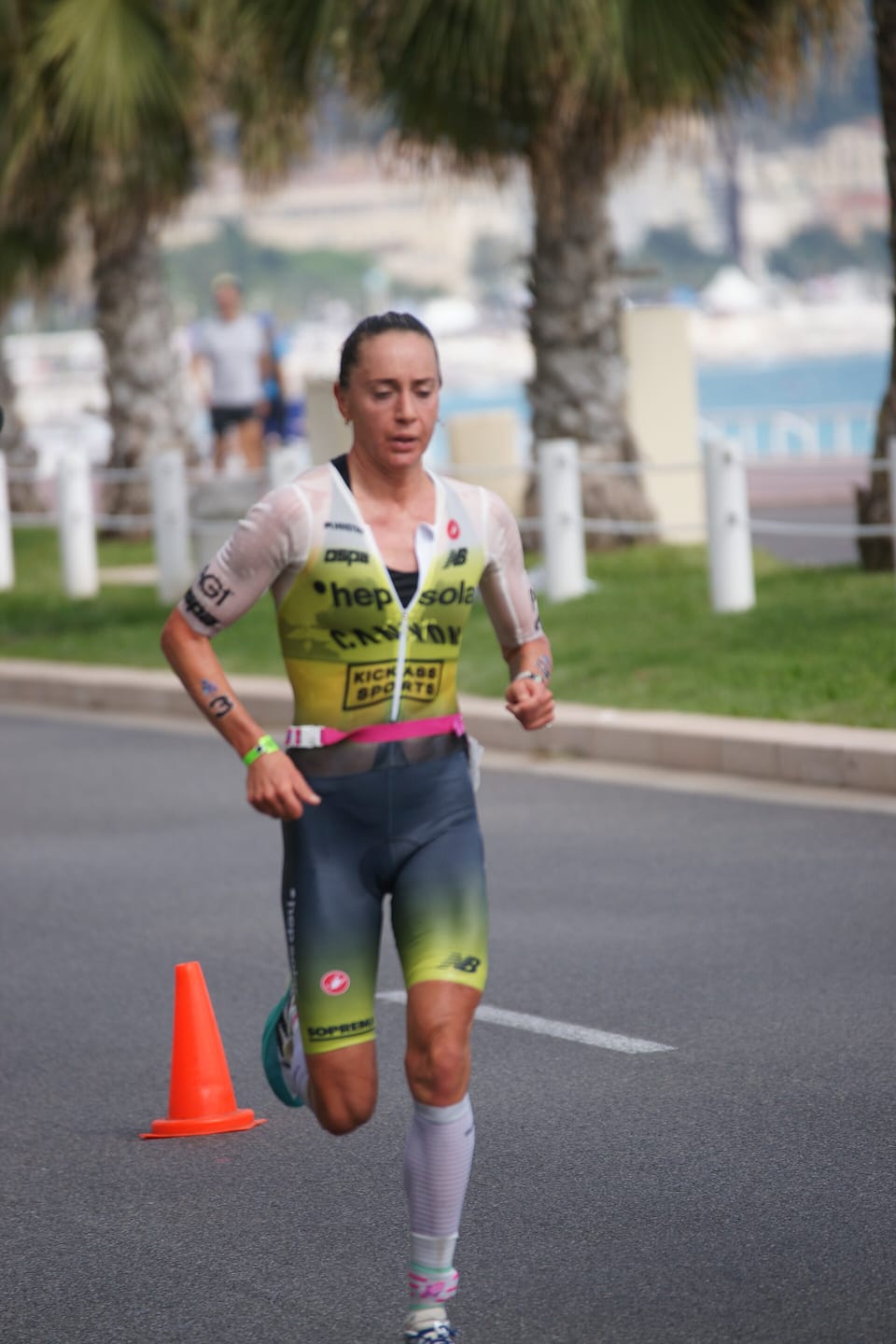
Women made up 26.2 per cent of the age-group athletes registered for the Ironman World Championship in Kona on 10 October: 635 of 2,427, according to Ironman’s media kit as reported by TRI247. It was the first Kona race to be filled under Ironman’s performance-based qualifying system, and the first since 2019 in which men and women raced on the same day.
That share is below the 30 to 35 per cent of places that Ironman’s own testing had predicted for women. It is also above women’s share of the people who race Ironman events in the first place.
How the system works
Introduced in July 2025 for the 2026 cycle, the system gives the winner of each age group an automatic place, which rolls to second and then third place if declined. The remaining places go to a “performance pool”. Athletes are ranked by an age-graded time, set against a “Kona Standard” that Ironman calculates from the average of the top 20 per cent of Kona finishers in each age group over five editions.
The idea was to reward the most competitive athletes on the day, regardless of how crowded their age group was. In its first months, the pool went overwhelmingly to men.
The mid-cycle rewrite
On 14 November 2025, with about a third of qualifying races complete, Ironman published its own figures. About 96 per cent of performance-pool places had gone to men and 4 per cent to women. Testing on historical data had suggested a split nearer 15 to 20 per cent for women, which Ironman said would have given women 30 to 35 per cent of all places.
Ironman offered several explanations. Women were 15.6 per cent of finishers at those early races. About 15 per cent of women’s automatic places were declined and rolled into the combined pool, against 3 per cent for men. When it surveyed athletes who turned down a place, women more often cited wanting more time to decide and family obligations, “particularly related to having young children”. And around 60 per cent of the top-ranked women had raced the 2025 championship in Kona, so many were not yet racing qualifiers.
Ironman then split the performance pool by gender, in proportion to the eligible starters at each race, and kept declined winners’ places within the same gender. It applied the change retrospectively, re-offering 24 women’s and 8 men’s automatic places and awarding 44 further pool places to women. TRI247 reported that calls for change had included a petition led by the six-time champion Mark Allen.
Ironman’s chief executive, Scott DeRue, said at the time that “there are certain elements of the new system that are not playing out as we expected”.
What the 26 per cent shows, and what it doesn’t
Measured against the people taking part, women did better than their numbers. They were 15.6 per cent of finishers at the early qualifying races, and roughly 20 per cent of global Ironman starters, a figure cited when the system was launched, according to TRI247. They took more than a quarter of the age-group start line.
Measured against the recent past, the picture is different. When Kona hosted a women-only championship in 2025, Ironman said more than 1,600 women were registered. With one shared start line in 2026, there were 635 age-group women.
The registration figure also cannot show how the revised system performed on its own. As TRI247 noted, earning a place, accepting it and registering are different steps, and the field also includes other entry routes such as Ironman’s Legacy programme. TRI247 said it had asked Ironman for full-cycle qualification and acceptance figures by gender and had not received a full response. We have not found those figures published.
Racing in a mixed field
Sharing a start line brought its own concerns. Ironman’s wave schedule sent the professional women off at 6:30am, ten minutes after the men, with the youngest age-group men starting 35 minutes later, Triathlete reported. Women aged 40 to 54 were scheduled to start at 7:25am, between two waves of men.
Jimmy Riccitello, Ironman’s global head of officiating, told Triathlete the plan aimed to “preserve a fair and uncompromised women’s professional race while ensuring the safest possible experience for all athletes”.
Ironman’s qualification page now describes the November rules as the current system. Whether the split pools lift women’s share further will only be clear when Ironman publishes the full numbers.