TriathlonAnalysis
Three Kona podium finishers served bike penalties in the first season of Ironman’s 20-metre draft zone
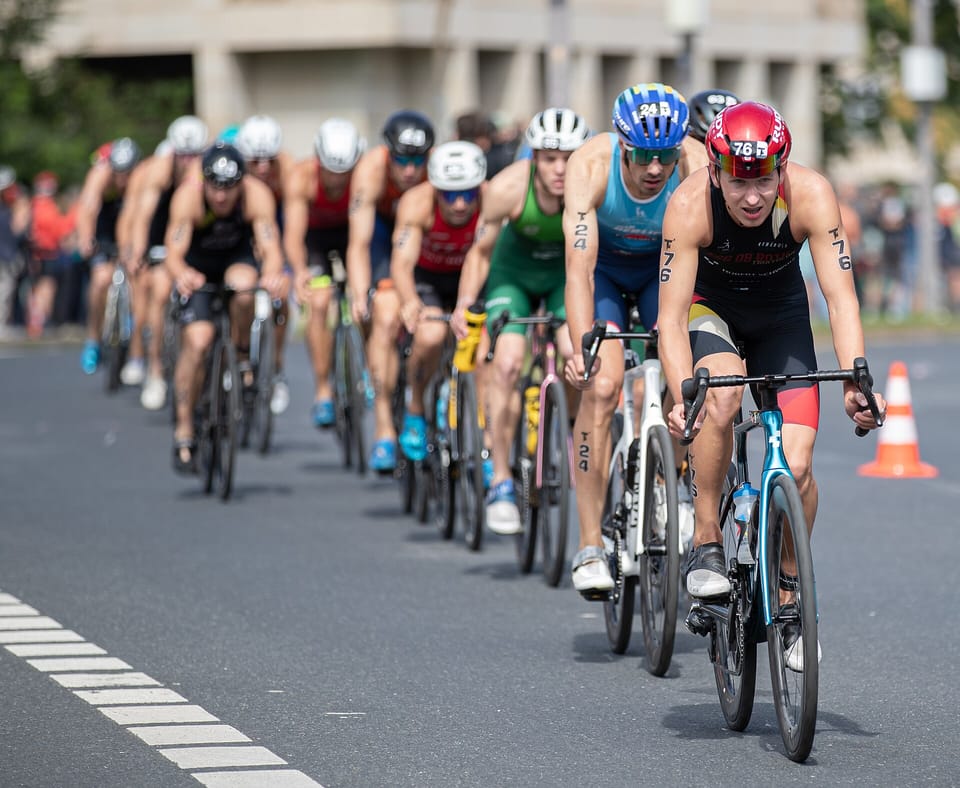
Ironman moved its professional draft zone from 12 to 20 metres in March after testing with the RaceRanger system. Referees were busy in Kona. At the 70.3 World Championship in Nice, according to Triathlete, nobody was penalised for drafting.

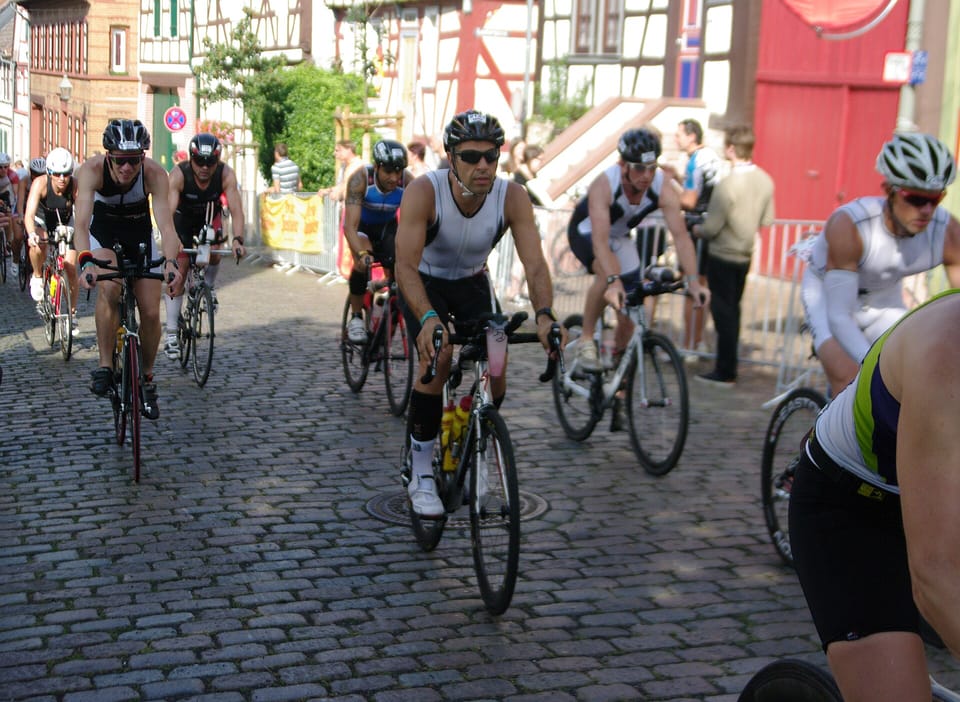
Three of the six athletes on the podiums at the Ironman World Championship in Kona on 10 October served three-minute penalties during the bike leg. It was the first Ironman World Championship held under the new 20-metre draft zone for professionals, and referees showed plenty of cards, Triathlete reported.
Norway’s Gustav Iden was given a three-minute drafting penalty while riding with Kristian Blummenfelt and Marten Van Riel, Triathlete reported. He ran his way back to second, about a minute and a half behind France’s Vincent Luis. “The air went out of me when I got hit with that drafting penalty,” Iden said at the finish.
Matthew Marquardt of the United States served a three-minute penalty after briefly leading the race, and finished third. In the women’s race, Switzerland’s Julie Derron was shown a blue card for drafting and still finished third on her debut. Australia’s Regan Hollioake was also penalised for drafting.
Why the zone changed
On 27 January Ironman announced that from 1 March the draft zone in all its professional races would increase from 12 to 20 metres. Its updated competition rules, effective in early March, give professionals 45 seconds to complete a pass. Age-group athletes keep a 12-metre zone, and may not slot in between legally spaced professionals.
The change followed testing that began in June 2025 with RaceRanger, which makes the range-finding lights fitted to professional bikes, and the aerodynamics specialist Marc Graveline. Professional athletes rode at 70.3 race speeds at 12, 16 and 20 metres. Triathlon Magazine reported that the aerodynamic benefit dropped significantly between 12 and 20 metres, though its report did not include the figures.
“The data produced through this process delivered clear insights that a 20m draft zone meaningfully impacts race dynamics,” said Scott DeRue, Ironman’s chief executive. The rival T100 series already used 20 metres, and Challenge Roth adopted it for 2026.
Many professionals had pushed for the change. A survey of 356 current and former professionals by Pro Tri News found 85.7 per cent in favour of 20 metres, TRI247 reported. “The 12-metre draft zone is no longer, not even remotely, sufficient to make non-drafting biking,” Canada’s Lionel Sanders said in a YouTube video quoted by TRI247.
Kona and Nice, four weeks apart
The 70.3 World Championship in Nice in September told a different story. No drafting penalties were issued there, Triathlete reported, and the men’s winner, Hayden Wilde, complained about the number of RaceRanger warning lights he saw as riders bunched on the climbs.
Jimmy Riccitello, Ironman’s global head of officiating, defended the decisions. “Based on the RaceRanger data, Nice was a fair race,” he told Triathlete. “The course presents unique officiating challenges due to its narrow roads, technical descents and high-speed sections.”
The technology does not make the call. RaceRanger’s lights show riders and referees when the gap closes, but a referee on a motorbike still has to see the infringement and show the card. “It comes down to them making the calls on the day,” said RaceRanger’s co-founder, James Elvery.
He also warned television viewers against judging too quickly. “That’s actually a really long time for an athlete to make a pass, and rarely would the camera stay on them through that full 45 seconds,” he said of the new passing window.
What changes next
Ironman says RaceRanger’s 2025 data showed professional women and men cutting their average illegal drafting time by more than 25 per cent compared with 2024. The system was used in 43 Ironman professional races in 2026, Triathlete reported.
The next step is live data. Elvery said the devices can now send position information to referees’ apps once a second, which would let officials see who is spending time in the draft zone without riding alongside the pack. It was not used in Kona, because the company did not want to try something new at the championship. The T100 series publishes its RaceRanger data; Ironman gives athletes their own data after races and released event-by-event figures for the 2025 Pro Series in December 2025.