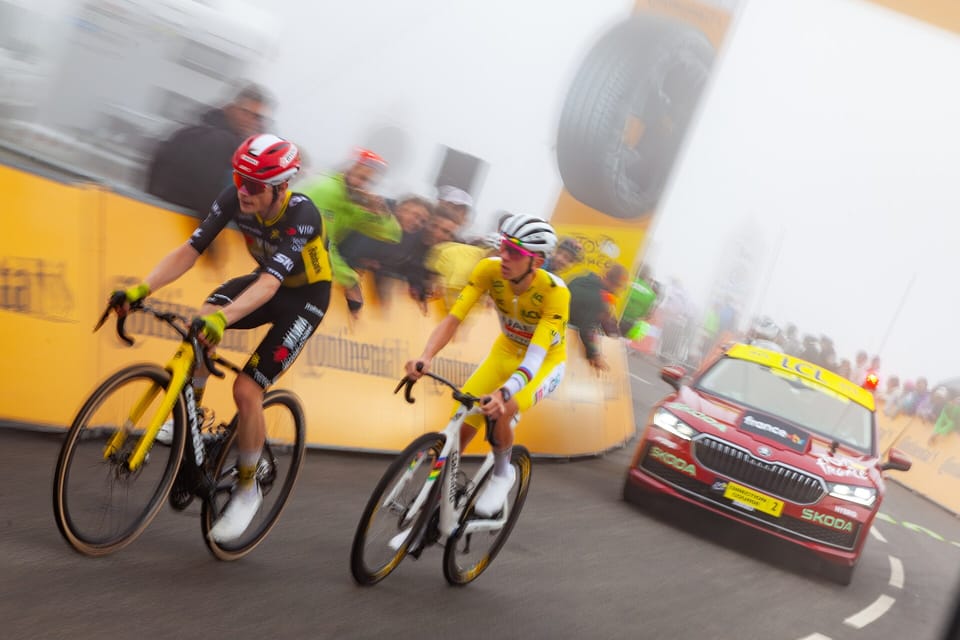
Garmin riders can now appear on drivers’ Waze maps as a moving cyclist alert
The opt-in feature, rolling out worldwide from 10 November, uses Garmin’s free LiveTrack service. It only works when the driver is using Waze, and the research on in-car cyclist warnings is still mostly done in simulators.

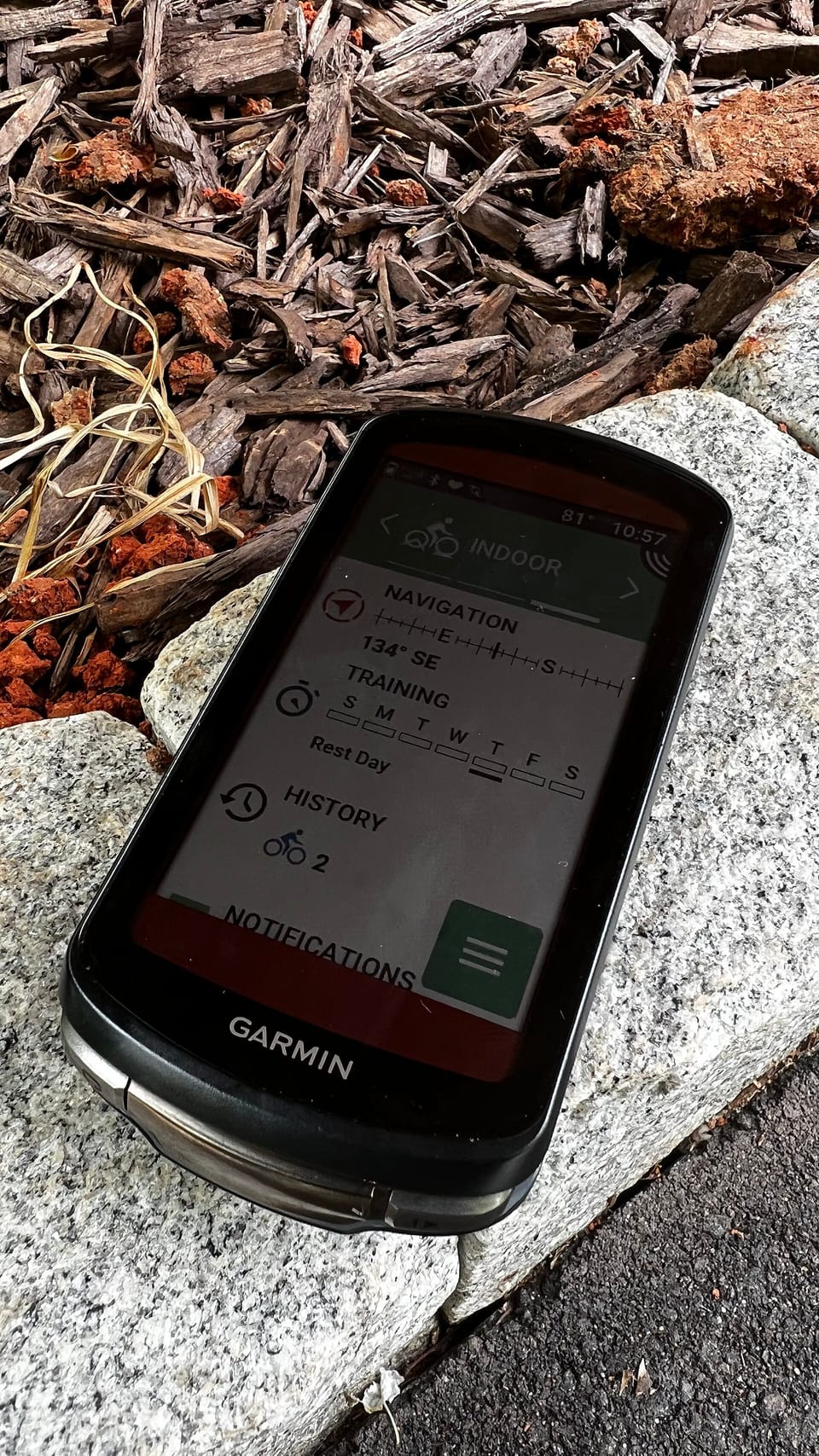
Cyclists using a Garmin bike computer or watch can now choose to show up as a moving icon on the Waze navigation app, so that nearby drivers get an alert that a rider is on the road ahead. Garmin and Waze, which is owned by Google, announced the feature on 10 November and said it is rolling out worldwide on Android and iOS.
Garmin called it “a first-of-its-kind collaboration”. Waze, it said, is used by 200 million drivers.
How it works
The feature extends LiveTrack, Garmin’s free service that lets a rider share their position with family and friends. Riders opt in through the Garmin Connect app when they start an outdoor cycling activity. Waze then shows what it calls “Live Cycling Alerts”, moving icons on the road when a Garmin cyclist is nearby, and drivers see a notification “giving them a helpful reminder to slow down, stay aware, and share the road thoughtfully”, according to the Waze blog.
Both companies say the sharing is limited. Garmin says it is “temporary and session-based, and the cyclist’s personal information will not be shared or displayed in Waze”. Waze says drivers “only see a temporary alert that a cyclist is nearby” and never information about a specific cyclist or route, and that the alerts switch off automatically when the rider ends the activity on the Garmin device.
LiveTrack needs a phone. Garmin’s release says the feature works “when used with a compatible smartphone and the Garmin Connect app”, which means the rider’s phone has to be carried and connected to a mobile network for the position to reach Waze. There is no extra charge: LiveTrack is free on compatible Garmin devices, and the release mentions no subscription.
What has not been said
Garmin names “compatible” Edge bike computers and smartwatches but has not published a list of models. Neither company has given a country-by-country schedule, said how the driver’s alert looks or sounds, or said whether drivers can turn the alerts off.
The feature was first spotted in code in version 5.31 of the Garmin Connect app, Gadgets & Wearables reported on 4 November, six days before the announcement.
The limits are built in. A driver sees an alert only if they are using Waze at the time, and only for riders who have a Garmin device, are carrying a phone with signal and have chosen to share. A driver without Waze open, or a rider without a Garmin device, is invisible to the system, so the alert can only add to normal attention on the road, not replace it.
“Garmin is well-known in the cycling industry for its safety-focused products and features,” said Susan Lyman, Garmin’s vice-president of consumer sales and marketing. Garmin also sells the Varia rear radar, which warns the rider, rather than the driver, about vehicles approaching from behind.
What the evidence says
Neither company has published data showing that the alerts change how drivers behave, and the feature is too new for any independent study.
Research on warning drivers about cyclists exists, but it has mostly been done in driving simulators with systems built into the car rather than phone apps. In a 2022 study in Accident Analysis & Prevention, 48 drivers in a Belgian simulator overtook cyclists with and without an in-car assistance system that warned them in stages. With the system on, they left more space when passing and spent longer on the manoeuvre, but they did not drive any slower.
A Chinese simulator study of 38 drivers, published in the same journal in 2026, found that head-up display warnings about a cyclist in the lane were associated with lower estimated crash risk. Its authors cautioned that their results came from surrogate measures and models, and that they need to be checked against real-world crash data.
Neither study tested a smartphone navigation alert, and both used small groups of drivers in simulated conditions.