CyclingAnalysis
Shorter Grand Tours? The UCI wants to study the idea, and all three organisers have said no
A UCI reform report says it will assess “three-weekend” Grand Tour formats from as early as 2029. Christian Prudhomme, Luca Guercilena and Javier Guillén have all rejected cutting days from their races.

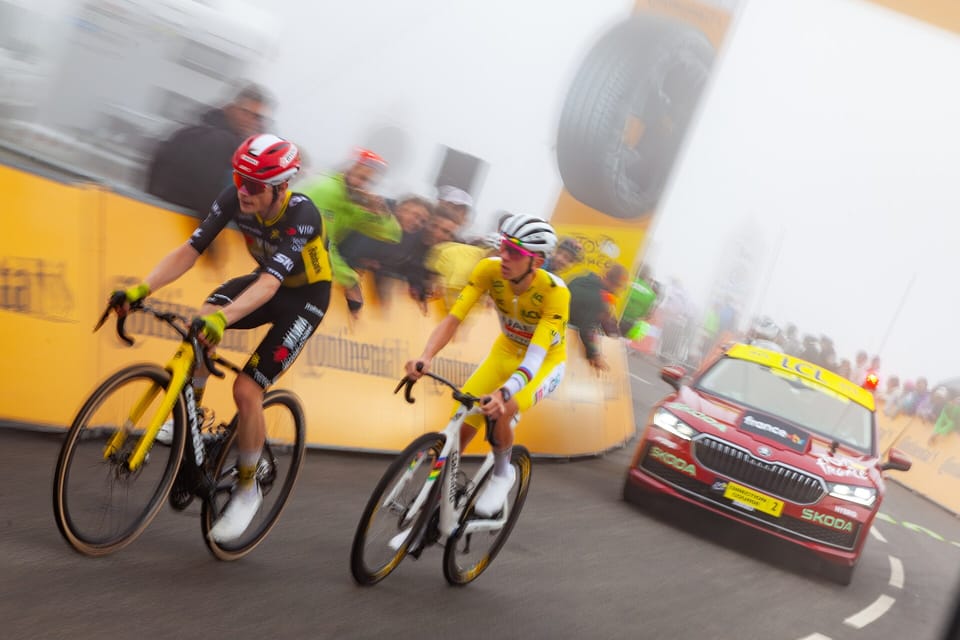
The organisers of the Tour de France, the Giro d’Italia and the Vuelta a España have all rejected the idea of shorter Grand Tours, after the UCI said it would study “three-weekend” formats as part of a wider reform of professional road cycling.
The idea comes from a report the governing body published in September, summing up 55 submissions it received from teams, riders, race organisers, national federations, broadcasters, sponsors and equipment makers. None of it has been adopted. The UCI says the first measures could arrive “as early as the 2029 season”.
What the report actually says
Several outlets have described the proposal as 16-day Grand Tours. The report itself does not give a number of days.
Under its calendar section, the UCI says the length of “some Grand Tours” was raised by contributors “with a view to promoting a less congested and more attractive calendar”. In its own comments, it says it “will assess standardised shorter stage-race formats such as five days from Wednesday to Sunday and some three-weekend Grand Tour formats to reduce overlaps and make participation in multiple Grand Tour races each season easier”.
The figure of 16 days follows from that phrase. A Grand Tour usually has 21 stages over 23 days and covers four weekends. A race starting on a Saturday and ending on the Sunday two weeks later would cover three weekends and last 16 days.
The UCI is also cautious. It says shorter stage-race formats “do not appear to be supported by all and raise legal issues”, and need “detailed feasibility work with stakeholders”.
Three organisers, one answer
Tour director Christian Prudhomme told RMC Sport that the issue concerned “certain Grand Tours” and that the Tour, at three weeks and four weekends, was fine as it was, according to IDL Pro Cycling and Brújula Bike. Both took his words from French, and their translations differ slightly.
Luca Guercilena, now head of cycling at Giro organiser RCS Sport, told Domestique that the Giro would not change and that all three Grand Tours should stay the same length, IDL Pro Cycling reported. He argued that a three-week race is a test of endurance that only a special rider can win.
The Vuelta’s director, Javier Guillén, told Marca that his organisation was not in favour of removing any days, “not even one”, and that the subject was not being discussed at any official or institutional level, according to the same reports.
Because the three quotes come to us in translation through other outlets, we have kept direct quotation to a minimum.
The rest of the reform
Shorter Grand Tours are one line in a much longer document. The UCI grouped the submissions into five themes: the calendar, the economic model, fan engagement, safety and the integrity of results.
The measure contributors raised most often was “some form of financial fairness mechanism, such as a budget cap or equivalent”. The UCI notes that an earlier working group on the subject stopped “following the teams’ refusal to implement it”. Other ideas include transfer windows and football-style transfer fees, regulation of riders’ agents, a two-tier WorldTour, races grouped into geographical blocks, smaller teams in races, GPS tracking for riders and vehicles, and VAR-style video review for race officials.
The UCI also rules one thing out. A closed licence system for WorldTour teams, it says, “is contrary to the European sporting model” and “will not be contemplated”.
Safety is the area of strongest agreement. UCI president David Lappartient said in the accompanying press release that it “is not negotiable, and it will move forward at an even faster pace than the other parts of the reform”.
What happens next
A steering committee, advised by the consultancy Deloitte, met for the first time in Geneva on 6 October. It includes Lappartient and the presidents of the organisers’, teams’ and riders’ associations. Two more meetings are planned before the UCI presents “the broad outlines of the reform” at its WorldTour seminar in Benidorm on 9 and 10 December.
The organisers’ position matters because the Grand Tours are their events, and the report itself promises to “protect historic events from abrupt displacement”. Any change to their length would need their agreement.